Table of Contents
New! Various restorative strategies and strategies can be customized to the certain needs and characteristics of the family members. Family members may seek therapy for various factors, including: problems connecting efficiently might lead to misunderstandings, disputes, or continuous disagreements.
persistent health problem or impairment may require coping approaches, role changes, and anxiety administration. dealing with the results of past injury or abuse within the household system frequently calls for expert intervention to heal and rebuild count on. strengthen partnerships, enhance interaction skills, and cultivate a healthier household setting. Therapy supplies a risk-free space for families to discover their characteristics, improve understanding, establish healthier patterns, and learn reliable techniques to manage challenges.
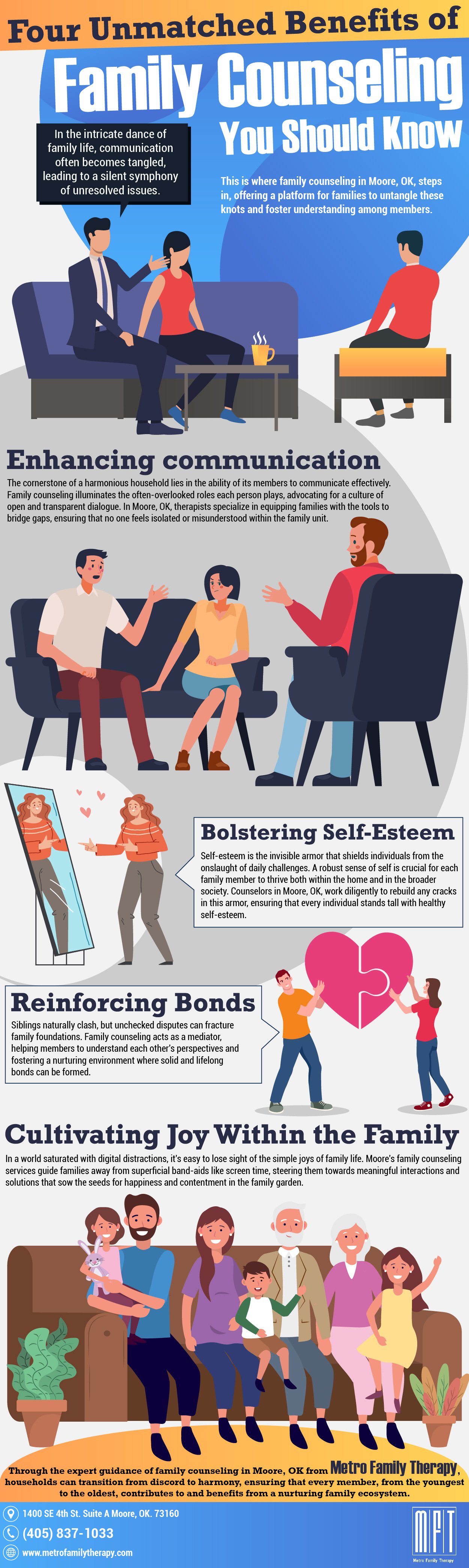
The efficiency of a household therapy session depends on numerous crucial concepts and methods that grow a setting helpful to significant interaction and progress. Fundamental in family treatment, this preliminary action entails developing a risk-free and non-judgmental space where each household member really feels comfortable revealing themselves.
Starting Counseling at a Family Counseling Center
Show real understanding and empathy towards each family members member's experiences and emotions. Establish an environment where everyone really feels listened to, respected, and confirmed, regardless of varying viewpoints or problems. Assure family members their privacy is appreciated and clarify the definition of discretion. When a trustworthy and considerate atmosphere is totally established, relative are more probable to open, share their thoughts and feelings, and proactively take part in the restorative process.
Focus on: Advertise an atmosphere where family participants attentively pay attention without interrupting or evaluating each other. Educate relative to repeat what they have actually listened to, making sure a clear understanding of each various other's perspectives. Acknowledge and validate everybody's feelings, even if they vary from each other. Energetic paying attention fosters empathy, improves understanding, and reduces misunderstandings promoting healthier communication within the household.
Healing Intimacy in Marriages
Make certain the objectives are aligned with the family's needs. Clear objectives give instructions and emphasis throughout therapy, guiding treatments and helping household participants track their progress.
This includes: Ensure all relative have the chance to express their ideas, beliefs, and feelings each session. Acknowledge and value each member of the family's input, emphasizing the worth of their perspective. Ensure that no one controls the conversation and encourage quieter household participants to speak out. Urging engagement makes certain that all voices are heard, promotes a feeling of possession in the therapeutic process, and reinforces the concept that everyone's contributions sustain positive modification.
If you use these strategies, you will help with a much more effective and impactful healing journey. The initial session serves as an intro to you and the restorative procedure. Comply with these actions. 1. Permit each relative to introduce themselves, sharing their factor for looking for therapy and their assumptions. Present yourself and offer a little history.
The Role of Relational Patterns Affect Emotional Health
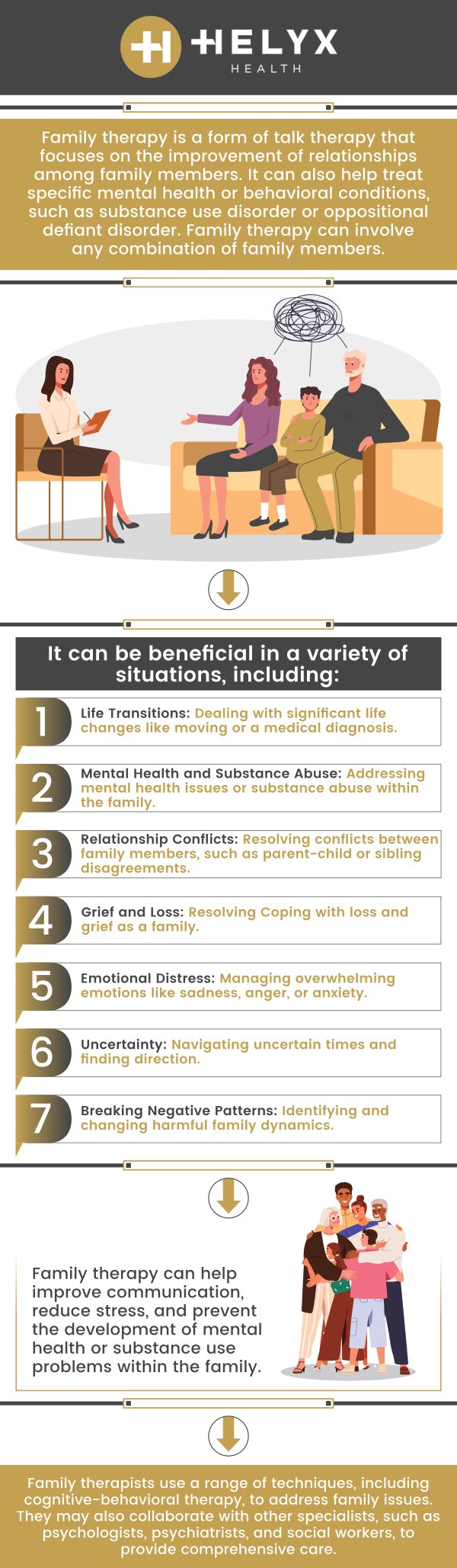
3. Gather information about household characteristics, connections, and worries. Identify strengths and challenges within the family members. 4. 5. Go over the family's desires. What does the household want to leave treatment? 6. 7. Discuss the treatment process, privacy, roles of member of the family, and the commitment needed for development. 8.
Ask the grownups to complete and authorize any type of approval or launch forms, as well as any various other necessary documentation. Create a structure that facilitates reliable communication, problem-solving, and progression toward restorative objectives. To comprehend each family members member's emotional state and issues, start the session by allowing each participant to briefly share their current ideas, sensations, and any type of updates.
3. Collaboratively establish the emphasis for the session and recognize pressing problems that call for discussion. This action guarantees that everyone really feels listened to and that the session addresses relevant issues. 4. 5. Wrap-up goals and review the progress made to track the household's progression and determine what needs to be dealt with.
Healing Communication in Relationships
5. Develop a secure environment where each household participant feels comfy revealing themselves. Motivate considerate communication and aid members understand each various other's point of views. 6. 1. Testimonial the main insights, conversations, and conclusions reached throughout the session. This strengthens important takeaways and makes certain every person gets on the same page. 2. 3.
Here are a lot more ideas: 1. 2. Foster a setting where each family members member feels risk-free, accepted, and appreciated regardless of their viewpoints or habits. Demonstrate genuine compassion by proactively paying attention and confirming the emotions and experiences revealed by each household member. Establish clear standards for interaction, respectful behavior, and session involvement.
Evidence-Based Interventions for PTSD Recovery
It can assist parents and caregivers understand the causes of troublesome habits and develop strategies to resolve it. Family members usually encounter challenges throughout major life transitions such as separation, loss, or moving. Family members therapy can provide support and guidance to assist families adapt to these modifications and navigate them with greater ease.
This can have a positive influence on the mental and emotional well-being of all member of the family. Involving the household in the therapy procedure produces an extra encouraging setting for members dealing with conditions like depression or addiction. By dealing with and solving disputes and dysfunction, household therapy can assist stop future issues and advertise much healthier partnerships.
Emphasis on producing a solid restorative partnership with the household. Working together with the family members to develop clear, details, and attainable treatment objectives that are lined up with the family members's issues and inspirations for seeking therapy. Make clear the functions of each household member while clarifying the therapeutic process and talking about the commitment needed for progression.

Navigation
Latest Posts
Multi-Modal Treatment through Couples therapy
Proven Interventions for PTSD Recovery
Understanding Splitting within Expert Art Therapy