Table of Contents
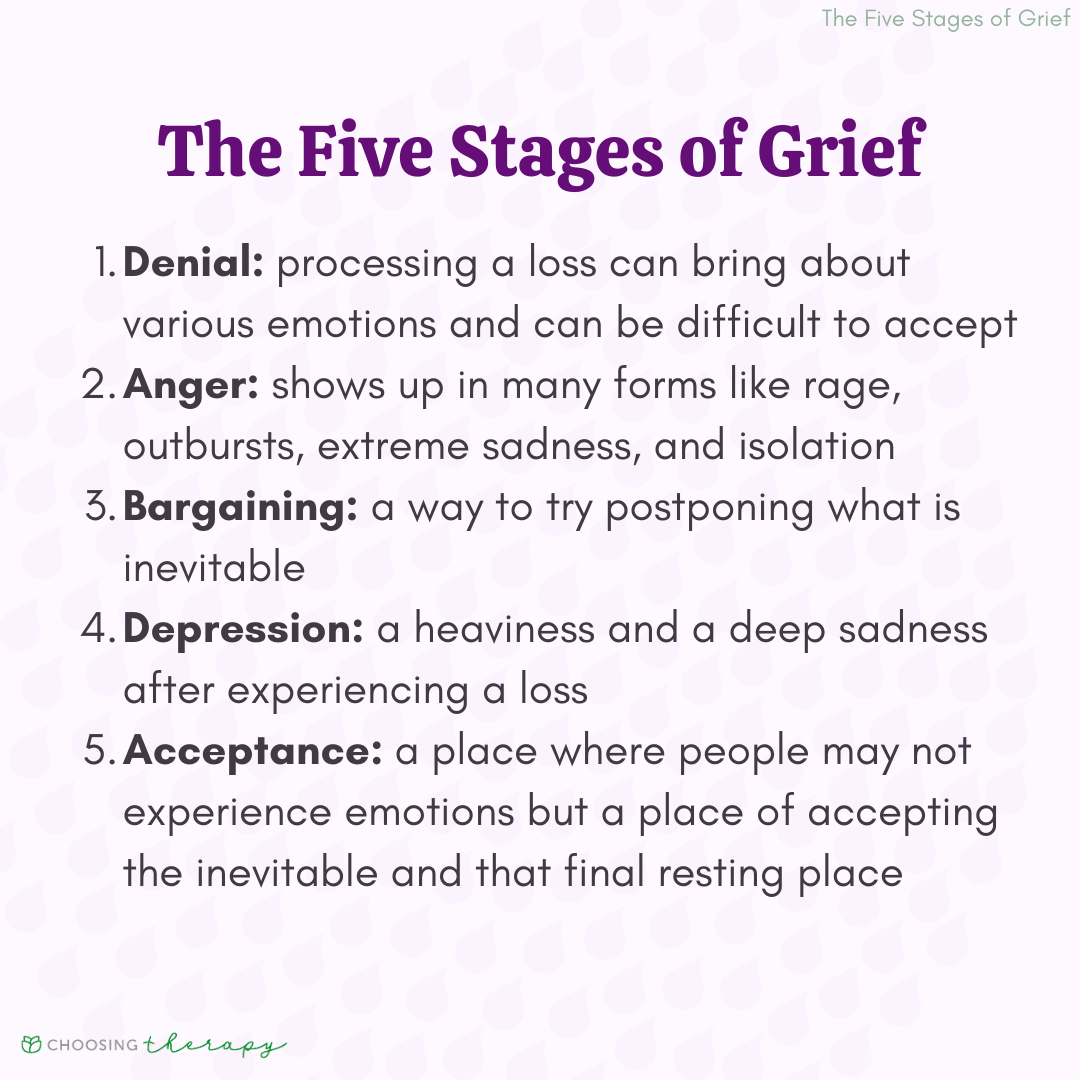
Pain is a complicated procedure that varies from individual to individual. The 5 phases of despair rejection, temper, negotiating, depression, and approval are a helpful structure for assuming concerning grief, however it does not suggest we'll go via every phase. Similarly, we can experience these facets of despair at different times, and they don't take place in one specific order.
This site uses cookies to assist personalise content, customize your experience and to keep you visited if you register. By continuing to use this website, you are consenting to our usage of cookies.
This intermittent framework is meant to assist you much better understand your sensations and is not meant to prescribe just how you ought to regret, what you need to be sensation, or in which order. Each stage might come and go or overlap the others.
If you wish to find out more regarding your private grieving procedure, it's an excellent concept to reach out to a relied on mental health specialist to recognize yourself better and develop suitable coping approaches. Learn extra regarding the seven phases of despair. Pain can be a challenging and messy process. When a loss occurs, among the initial things you might experience is shock.
Specific Stressors of Physicians Seeking Mental Health Support
That's since no one can ever be really gotten ready for a loss so significant. When you are in shock after a loss, you may act usually or as if nothing has occurred. Many of the time, this is because your body has not processed the loss. You may seem like the situation hasn't "sunk in" right now.
These feelings and experiences are self-protective systems that work as a barrier to ensure that you are not overwhelmed simultaneously. Because the death of a liked one can have such a significant effect on you, you might experience denial. During this phase of grief, it is merely as well hard for your mind to comprehend that your relative, good friend, or other enjoyed one is gone.
As you slowly begin to approve the loss and what it indicates for your life currently, your rejection will begin to lessen. You might have a wider series of sensations and emotions when denial diminishes. Up until then, you may have periods when you feel distressed, which can be triggered by tips of your loved one.

In many cases, it's a regular feeling to wish to prevent others to ensure that you do not have to acknowledge or discuss your loss. Sometimes, you really feel absent-minded, get quickly sidetracked, or postpone during this stage of despair. You may likewise attempt to stay busy at all times or closed down emotionally.
Understanding the Managers That Push Success
In particular scenarios, you can likewise really feel upset with the healthcare service providers, your buddies, family participants, God, or any other soul(s) you believe in. However under all that anger is your pain. While it might be uncomfortable to handle, it provides more framework to your mourning than remaining numb.
Throughout this phase, people commonly really feel helpless and helpless and ask themselves "what if" questions. You may feel guilty for not doing even more to keep the loss from occurring or for not spending more time with the person you shed. During the negotiating phase, it prevails to ask yourself or state, "I need to have done this ..." or "If I had actually just done that ..." While these sorts of uncertainties are regular, they are not where you desire your mind to remain.
The Silent Cost of Professional Accomplishment
It may additionally be practical to do something specific, like create a letter to your enjoyed one or speak to them out loud. Once you come to terms with the truth of the loss, a deeper level of unhappiness may begin to sneak in.
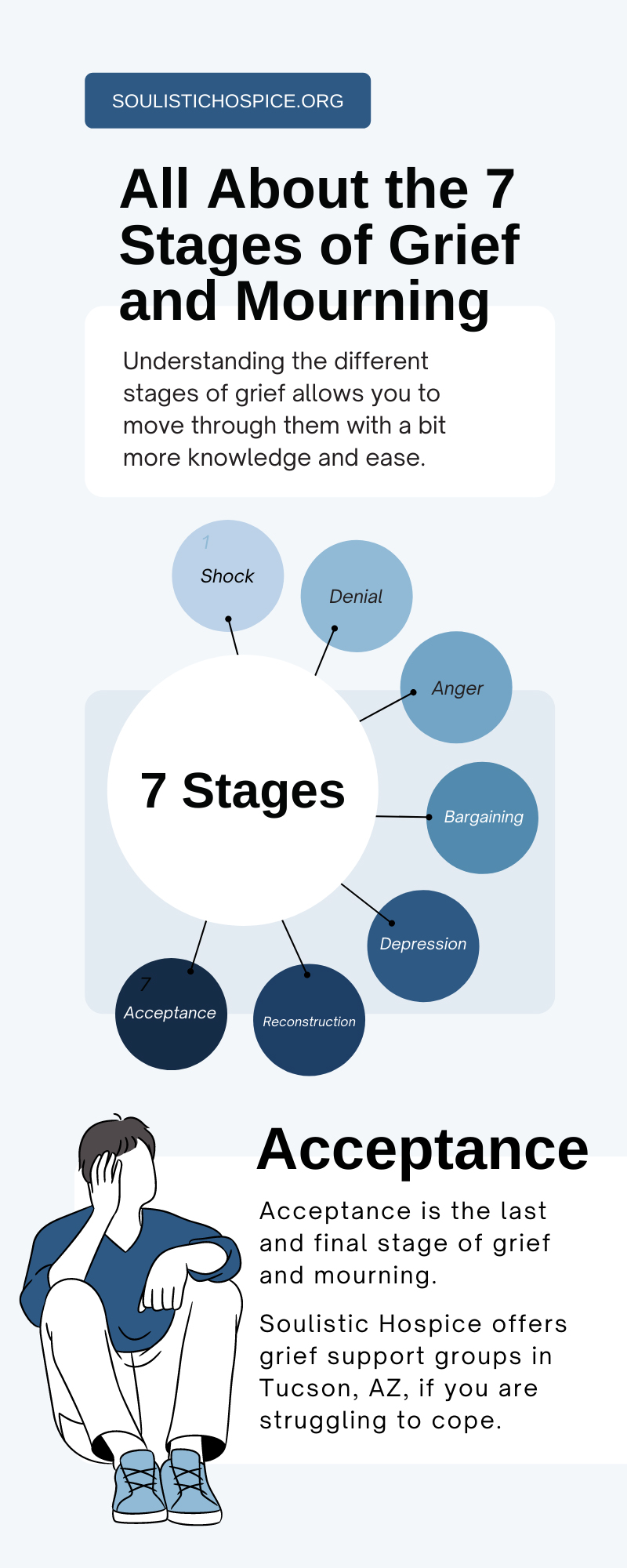
You can likewise see for a list of extra resources or call the number listed below to get to Chemical abuse and Mental Health Services Administration (SAMHSA) hotline. The testing stage of the grieving procedure often includes checking out different things that help you move on. In this stage, you are beginning to construct your brand-new normal in addition to refining your feelings and emotions produced by the loss.
Reaching the approval stage does not indicate you are alright with what took place. Instead, this part of the grieving procedure is more about accepting what your life appears like now. You will certainly still require to listen to your sensations and readjust, yet you will certainly begin to really feel even more wholeeven if it looks different than it did previously.

Navigation
Latest Posts
How Multigenerational Work Reveals Hidden Cycles in Wheat Ridge
Why Defines Quality Relationship Therapy Truly Work
The Path of Growth During Couples Work