Table of Contents
An integral part of experiencing injury is feeling various from others, whether or not the injury was a private or group experience. Survivors commonly believe that others will certainly not totally understand their experiences, and they might think that sharing their feelings, thoughts, and responses connected to the injury will fall brief of assumptions.

The kind of injury can dictate how an individual feels various or believes that they are various from others. Injuries that create pity will typically lead survivors to feel even more estranged from othersbelieving that they are "harmed items." When people think that their experiences are distinct and incomprehensible, they are most likely to seek support, if they seek support whatsoever, just with others who have experienced a comparable trauma.
Triggers are frequently connected with the time of day, period, holiday, or wedding anniversary of the occasion. A flashback is reexperiencing a previous terrible experience as if it were really taking place in that moment. It consists of responses that typically appear like the customer's responses throughout the injury. Flashback experiences are really brief and generally last just a couple of seconds, however the psychological aftereffects linger for hours or longer.
Frequent Concerns About EMDR & ART
Sometimes, they take place out of the blue. Various other times, certain physical states raise a person's susceptability to reexperiencing an injury, (e.g., tiredness, high tension degrees). Recalls can really feel like a short flick scene that intrudes on the client. For instance, listening to a vehicle backfire on a hot, warm day might suffice to create a professional to react as if she or he were back on military patrol.
If a customer is caused in a session or throughout some facet of therapy, help the client emphasis on what is taking place in the here and currently; that is, utilize basing techniques., for more grounding techniques).
Afterward, some customers need to discuss the experience and recognize why the recall or trigger took place. It commonly assists for the customer to attract a connection in between the trigger and the terrible occasion(s). This can be a precautionary strategy whereby the client can expect that an offered situation positions him or her at higher threat for retraumatization and needs use coping methods, including seeking support.
How You Should Consider EMDR Treatment Intensives over Traditional Sessions
Dissociation is a mental procedure that severs connections among a person's thoughts, memories, sensations, activities, and/or sense of identification. The majority of us have actually experienced dissociationlosing the ability to recall or track a particular activity (e.g., showing up at work but not remembering the last minutes of the drive). Dissociation occurs since the person is participated in an automatic activity and is not taking note of his or her instant atmosphere.
Dissociation aids distance the experience from the person. Individuals who have experienced severe or developing injury may have discovered to separate themselves from distress to endure.
In non-Western cultures, a sense of alternative beings within oneself may be translated as being occupied by spirits or forefathers (Kirmayer, 1996). Other experiences connected with dissociation include depersonalizationpsychologically "leaving one's body," as if viewing oneself from a range as an observer or with derealization, leading to a sense that what is happening is strange or is unreal.
Understanding Relationship Connecting Eye Movement Desensitization and Reprocessing with Brain Rewiring for EMDR therapy
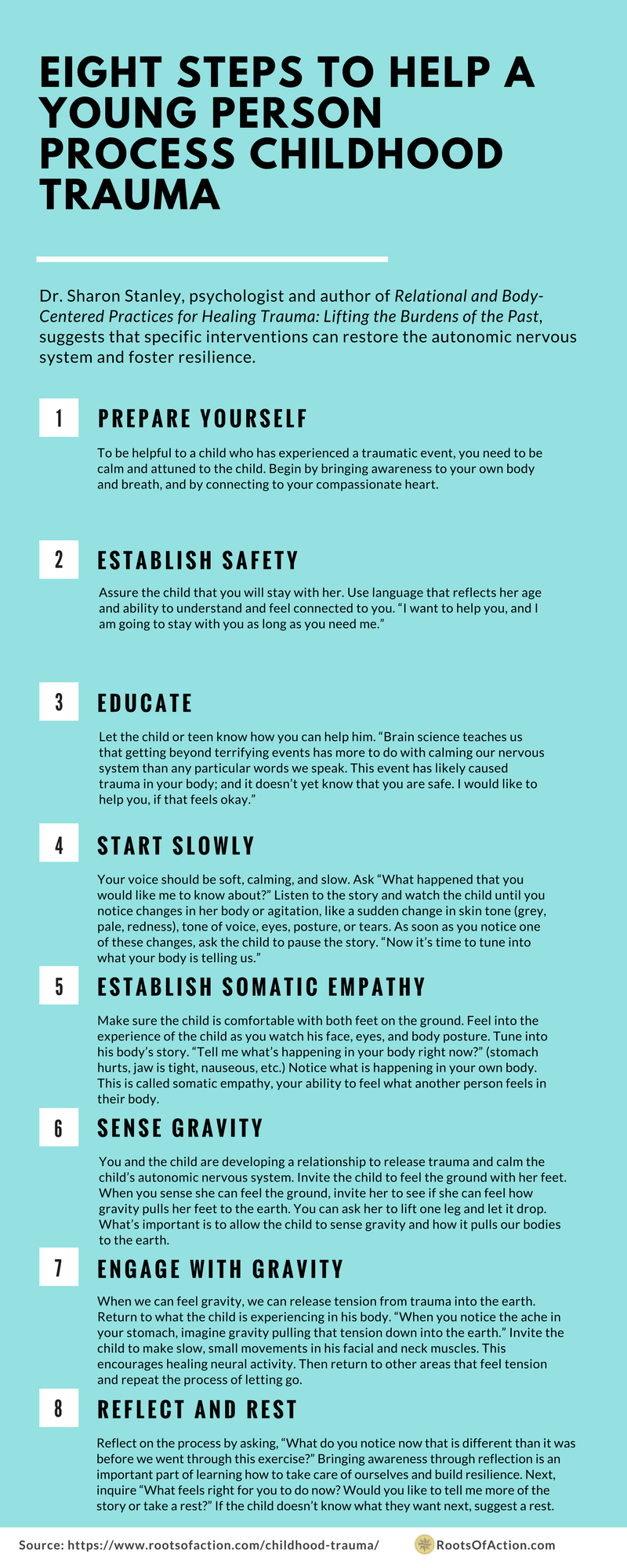
One significant long-lasting consequence of dissociation is the trouble it triggers in attaching strong emotional or physical reactions with an event. Frequently, people might think that they are going nuts since they are not in contact with the nature of their responses. By informing clients on the resilient high qualities of dissociation while also highlighting that it avoids them from dealing with or verifying the injury, individuals can start to comprehend the duty of dissociation.
Distressing tension reactions vary commonly; usually, individuals engage in habits to manage the consequences, the strength of emotions, or the traumatic facets of the terrible experience. Some people decrease stress or anxiety with avoidant, self-medicating (e.g., alcohol misuse), uncontrollable (e.g., eating way too much), spontaneous (e.g., high-risk behaviors), and/or self-injurious behaviors. Others may attempt to obtain control over their experiences by being hostile or subconsciously reenacting facets of the injury.
Commonly, self-harm is an attempt to manage emotional or physical distress that seems overwhelming or to deal with an extensive feeling of dissociation or being entraped, defenseless, and "harmed" (Herman, 1997; Santa Mina & Gallop, 1998). Self-harm is connected with past youth sexual assault and various other forms of trauma along with compound misuse.
Sustained Outcomes with EMDR Treatment and Accelerated Resolution Therapy in Calgary, AB
Raised dedication to an individual objective. Revised priorities. Enhanced charitable providing and volunteerism. Marco, a 30-year-old male, sought treatment at a local psychological health facility after a 2-year bout of anxiousness signs. He was an active member of his church for 12 years, yet although he looked for assistance from his priest about a year earlier, he reports that he has actually had no contact with his pastor or his church since that time.
He defines her as his soul-mate and has had a difficult time understanding her activities or just how he could have avoided them. In the first consumption, he stated that he was the first person to locate his other half after the self-destruction and reported sensations of dishonesty, pain, temper, and destruction considering that her death.

Navigation
Latest Posts
When Bereavement Impacts Mental Health
The Mind-Body Connection Stemming from Transgenerational Patterns
Overcoming Cultural Misunderstandings in Psychological Treatment